Why Quality Fence Installation Austin Delivers Durable Materials
Professional Fence Installation: Enhance Your Property's Beauty With Expert Craftsmanship
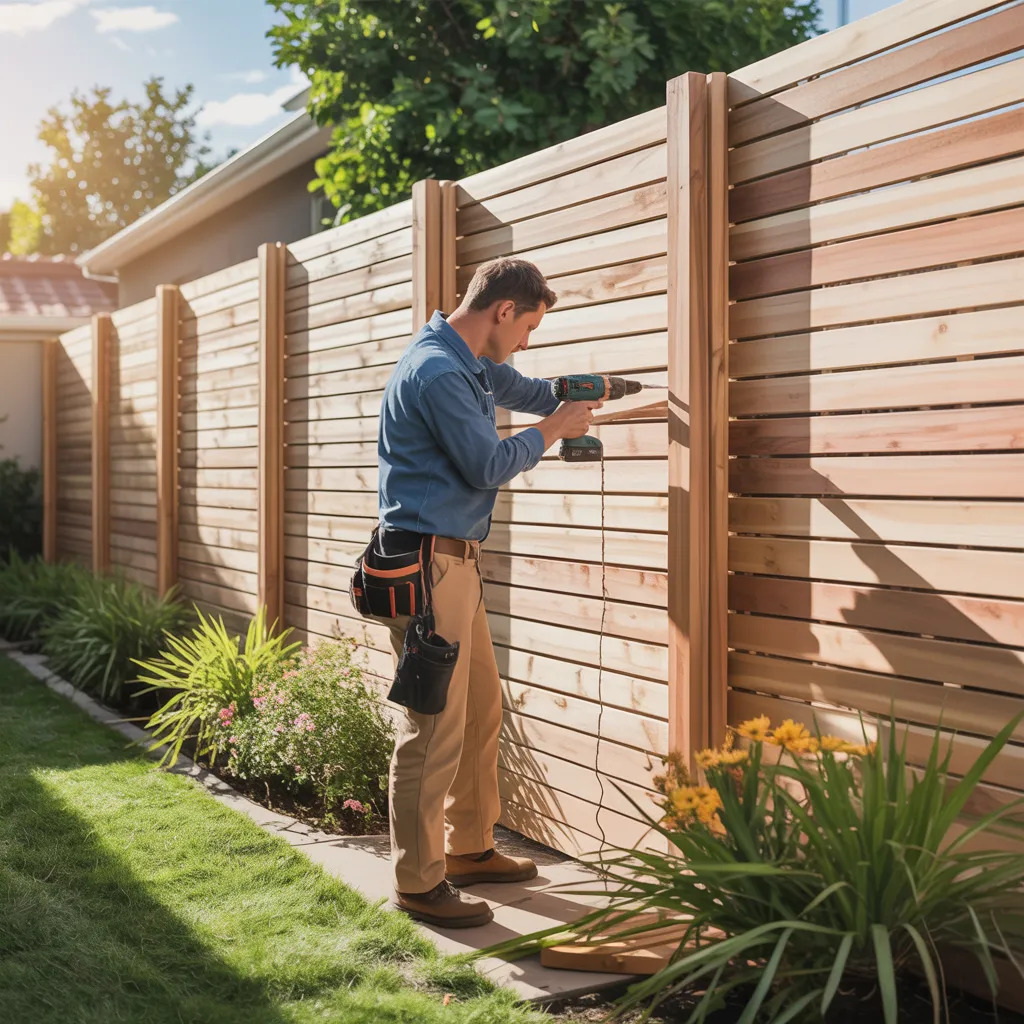
Tailored fence installation represents a fundamental element in elevating both the visual and practical dimensions of a residential space. Offering diverse styles and materials to choose from, residents can create a customized style that suits their landscape. Expert installation is essential in maintaining longevity and aesthetic appeal. When homeowners weigh their choices, they may begin to wonder how to effectively plan their custom fence project for the greatest benefit.
Why Custom Fences Are Essential for Your Home
Customized fences have become commonly acknowledged as important additions for residential properties. These structures fulfill several functions, improving safety, seclusion, and visual charm. Many property owners discover that a thoughtfully crafted fence is able to establish clear boundaries, providing a clear delineation between their home and surrounding properties. This boundary not only nurtures a perception of ownership but also instills a feeling of protection, particularly in urban settings.
Moreover, custom fences can be tailored to align with the architectural character of a home, integrating naturally with the current outdoor setting. Materials such as wood, vinyl, or metal can be selected based on aesthetic appeal and longevity, delivering a broad selection to meet personal preferences. Moreover, these fences can enhance real estate worth, making them a valuable addition for home dwellers. In summary, custom fences play a vital role to the functionality and beauty of residential spaces, making them an key element in residential upgrade plans.
Budgeting Your Custom Fence Project
When planning a custom fence project, homeowners need to thoughtfully evaluate their budgets to confirm the final installation meets their expectations without financial strain. Establishing a clear budget involves considering various factors, including the cost of materials, labor, and extra features, such as entryways or aesthetic additions. Homeowners are advised to collect multiple bids from qualified contractors to evaluate costs and offerings.
It's also essential to account for potential hidden expenses, such as permits or site preparation. By establishing a contingency budget—generally 10-15% of the overall budget—homeowners can address unforeseen costs that may arise throughout the installation process.
Separating needs from wants can make budgeting more efficient, assuring that essential features are included while limiting unnecessary expenses. By thoughtfully approaching the budgeting process, homeowners can ensure a successful and satisfying custom fence endeavor that improves their property value without jeopardizing their financial health.
Choosing the Right Materials for Your Custom Fence
When choosing the right materials for a custom fence, homeowners frequently encounter a choice between wood and vinyl alternatives. Every material offers notable advantages in terms of durability and maintenance requirements. Recognizing these distinctions can strongly impact the long-term effectiveness and longevity of the fencing solution.
Wood and Vinyl Fencing Compared
Picking the ideal options for a fence can greatly influence both visual appeal and functionality. Wood fencing is commonly chosen for its natural aesthetic and adaptability, permitting various designs and coatings. It can seamlessly complement outdoor greenery and delivers a charming, appealing look. That said, it may require regular upkeep to keep its beauty intact.
Alternatively, vinyl fencing delivers a modern appearance with a polished, cohesive style. Homeowners can find it in countless shades and designs, providing homeowners with options that suit their preferences. Vinyl is resistant to vermin and decomposition, positioning it as a hassle-free selection. When all is said and done, the decision between wooden and vinyl fence options is guided by personal style, preferred look, and lasting objectives for the home.
Durability and Upkeep Elements
Evaluating durability and care requirements is essential for selecting the right materials for a custom fence. Various materials offer distinct advantages regarding durability and maintenance. For instance, metallic fencing options, such as aluminum or cast iron, offer outstanding longevity and need minimal care, resisting rust and environmental wear. Conversely, wood fences, though visually appealing, demand regular treatments to protect against deterioration and insect harm, compromising lasting performance. Vinyl fencing stands out for its low maintenance needs, holding up against fading and bending but could prove less durable under harsh conditions. In the end, the choice of material should align with the homeowner's personal style, environmental factors, and readiness for upkeep, guaranteeing the fence stays durable and attractive through the years.
Designing a Fence That Complements Your Landscape
Designing a fence that complements a landscape demands careful consideration of structural elements and the use of organic materials. A thoughtfully chosen fence not only enhances the surrounding buildings but also harmonizes with the adjacent landscape. Selecting materials that suit the landscape can establish a harmonious and appealing outdoor space.
Matching Architectural Styles
How can homeowners create a seamless blend between their fences and the surrounding architecture? By thoughtfully evaluating the style and materials of their home, they can choose a fence that elevates the overall aesthetic. For instance, a modern home may benefit from sleek, minimalist designs, while a traditional residence could be complemented by classic picket or wrought iron fences.
Moreover, color schemes should align; matching the fence color to the home's trim creates a cohesive look. Homeowners should also consider height and scale, making sure the fence does not dominate the property or appear mismatched. In the end, a deliberately crafted fence can improve curb appeal and cultivate a cohesive, charming atmosphere that embodies the homeowner's distinctive character.
Choosing Natural Materials
While selecting a fence, homeowners often find that choosing natural materials can greatly enhance the harmony between the fence and the neighboring environment. Wood, stone, and bamboo are widely preferred materials that not only offer long-lasting strength but also integrate naturally with diverse surroundings. For instance, cedar or redwood fences can evoke a warm, rustic feel, while stone walls offer a more timeless, elegant aesthetic. Additionally, opting for locally obtained materials can foster a meaningful connection to the land, rooting the space in its local environment. Homeowners should assess the care needs of these materials, as well as their resistance to weathering and pests. Ultimately, the ideal combination of natural materials can elevate both the fence's function and its visual appeal, creating a cohesive outdoor space.
Why Expert Craftsmanship Sets the Standard
Skilled workmanship in fence installation greatly impacts both the aesthetic appeal and long-term strength of a property. Experienced craftsmen possess the expertise to choose the right materials and techniques suited to specific environmental conditions. This understanding confirms that fences not only boost a property's visual appeal but also endure for years to come.
Attention to detail during installation is essential in achieving a polished result. Precision in measurements and alignment eliminates issues such as shifting or bowing, which can compromise a house's visual appeal. Moreover, professional craftsmanship often includes complying with regional requirements and safety protocols, minimizing potential risks for residents.
Opting for expert installation also means employing cutting-edge methods and equipment that are often inaccessible to DIY enthusiasts. This thorough approach yields a long-lasting fence that boosts home value while reflecting the property owner's aesthetic preferences. In the end, expert workmanship assures that a fence fulfills its function with both beauty and effectiveness.
Care Tips for Durable Fencing Solutions
Consistent maintenance is critical to preserving the lasting quality of all fence types, irrespective of the expertise used during installation. Routine checks are necessary; property owners ought to look for indicators of wear, decay, or corrosion a minimum of two times annually. When it comes to wood fences, using a weather-resistant sealant every couple of years helps guard against water damage and extend their lifespan. Metal fence structures demand routine maintenance to clear away grime and rust, commonly achieved with a wire brush or rust-inhibiting paint.
Moreover, trimming back vegetation that touches the fence reduces the risk of mold and insect infestations. Ensuring proper drainage around the fence line prevents water accumulation, which can compromise the foundation. As a final point, resolving any issues in a timely manner can save time and money in the long run. By applying these discover more upkeep guidelines, property owners can enjoy a visually appealing and durable fence for many years to come, boosting their property's aesthetic appeal.

Common Questions and Answers
What Is the Typical Duration of a Custom Fence Installation?
A typical custom fence installation usually takes between one and two weeks, with the timeline influenced by project size, materials used, and weather conditions. Additional time may be needed for obtaining necessary permits and preparing the site before construction begins.
Do I Need a Permit for Installing a Custom Fence?
A permit is usually required for erecting a custom fence, subject to local regulations. Homeowners are encouraged to consult with their local authorities to verify compliance with zoning laws and property guidelines.
Which Styles of Custom Fences Are the Most Popular?
Common options of bespoke fences feature ranch, privacy, picket, and ornamental. Every style offers distinctive style and purpose, addressing different requirements as well as enhancing the value of your property and ensuring security across commercial and residential properties.
Can a Custom Fence Be Installed in the Winter?
Yes, a custom fence can be installed during winter. Nevertheless, lower temperatures might influence installation techniques and materials, so it's important to seek professional advice for the most effective outcomes and ensure correct handling during challenging weather conditions.
What Should I Look for When Choosing an Installation Contractor?
To select the ideal specialist for installation, one should research credentials, review feedback, obtain multiple quotes, and verify experience. Open communication and a thorough contract are necessary to guarantee high-quality workmanship and overall satisfaction with the work.